

Over years of training horses from the lower levels through to Grand Prix and World Cup show jumping, Brook Dobbin firmly believes a healthy digestive system is fundamental to a horse’s well-being and performance, no matter the level.
However, there is no single solution when it comes to maintaining a horse’s digestive health. Instead, it requires a series of carefully considered practices to ensure the horse is receiving everything it needs.
Working in harmony with the horse’s natural digestive system, Brook first highlights the importance of establishing a strong fibre base by ensuring horses always have access to high-quality roughage. From there, targeted supplements and feeds can be introduced to further support and nurture healthy digestion.
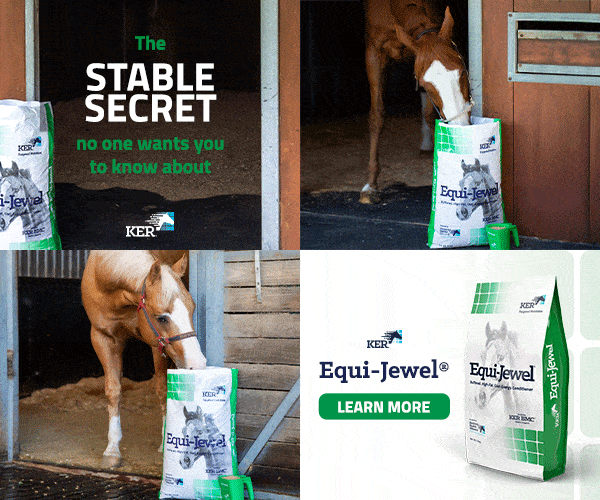
“One of the main supplements we use is Equi-Jewel,” explains Brook. “Because it’s high in fibre and fat, and with the addition of KER BMC, it helps maintain normal gut health which makes a happy horse.”
“Without a happy gut, we don’t have a happy horse,” he adds.
But what are some of the signs that a horse’s digestive system might be compromised? While symptoms can vary from horse to horse, Brook notes that hypersensitivity is often a common indicator of poor gut health.
“Even just putting the leg on, they can be very anti-leg if they have ulcers or bad gut health,” he elaborates. “They may not perform at the higher level, [can start] dropping weight and be loose when going to the toilet”.
This is often when Brook turns to Equi-Jewel, valuing the inclusion of KER BMC – a highly bioavailable form of calcium that has been shown through research to buffer gastric acid and help soothe the symptoms of digestive upset.
Offering further insight into their feeding program, Angela Dobbin outlines their approach, once again emphasising the importance of a strong roughage base.
“We start with a base of roughage, using lucerne chaff, then add Low GI Cube to cover their fibre needs,” Angela explains. “We then add Equi-Jewel which works on digestive health. We’ve also found that the high fat in EquiJewel provides “cool” calories so horses have energy but remain focussed throughout the competition”
Diving further into the intricacies of performance-horse nutrition, Equi-Jewel has been a game changer for the horses at Glenwood Park, with the bonus that its high-fat content reduces the risk of starch overload. This means the horses reap the benefits of ‘cool’ calories for energy and focus, without the risk of digestive upset or hyperactivity which can be triggered by high-starch alternatives.
Also, the addition of vitamin E and organic selenium in Equi-Jewel acts as a powerful antioxidant combination, helping to reduce muscle fatigue and damage, so Brook and Angela can trust their horses will feel in top shape the moment they step off the truck.
For Brook and Angela, managing digestive health in performance horses comes down to a holistic approach, prioritising fibre, quality nutrition and close attention to the individual. By working with the horse’s digestive system and responding to changes early, riders and trainers can support both long-term wellbeing and consistent performance throughout all stages of training.
To contact KER for free nutrition advice and for more information about the research behind their digestive health supplements click here